
Views: 0 Author: Site Editor Publish Time: 2025-10-22 Origin: Site


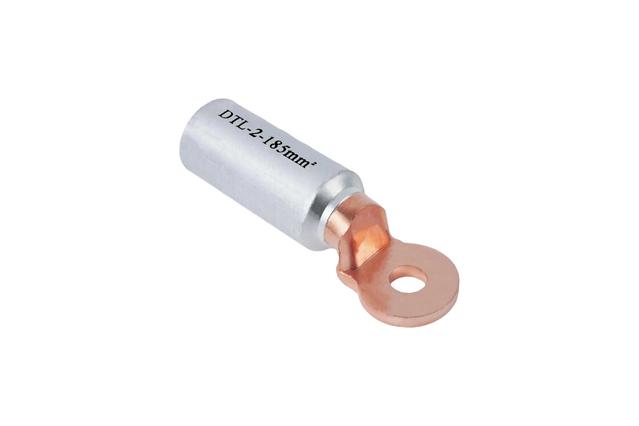
Choosing the right cable lug for your work in 2025 keeps battery connections safe and efficient. Picking the right battery terminal and lug stops your battery from getting too hot or losing power. Your battery system needs the right terminal for a strong and long-lasting connection. Think about the material, size, load, and where you will use it before picking a battery terminal and lug. You can trust Mingxu for good terminals and an easy guide to help with your battery connections.
Pick the right material for cable lugs. Copper lets electricity flow better. Aluminum is lighter and costs less.
Make sure the cable lug size fits the cable and stud. This stops loose connections and keeps things from getting too hot.
Think about the load and current ratings for your battery system. Add a safety margin of 20% to 30%. This helps stop overheating.
Check your battery connections often. Clean them and look for rust or loose parts. This keeps everything safe.
Find marks like CE, IEC, and ISO. These show your cable lugs are safe and good quality.
Picking the right material for your cable lug matters a lot. The material changes how electricity moves and how long the connection lasts. It also helps keep your system safe. You should think about where you will use the lug. You also need to know what kind of power it will carry.
Copper lugs and aluminum lugs are used most in factories. Copper lugs let electricity move better. This means less heat and less power loss. Aluminum lugs are lighter and cost less money. But aluminum does not carry electricity as well as copper.
Here is a simple table to show how well they conduct electricity:
Material | Conductivity (MS/m) | Notes |
|---|---|---|
Copper | ~58 | Higher conductivity, less resistance |
Aluminum | ~35 | Lower conductivity, more lightweight |
Copper conducts electricity about 40% better than aluminum.
Copper lugs are best for big jobs, like solar inverters or heavy machines.
Aluminum lugs are good when you need something light and the power is not high.
You might need extra protection in tough places, like outside or near the ocean. Tin-plated lugs help stop rust and corrosion. The tin layer keeps water and salt away from the metal.
Tinned copper lugs fight rust and oxidation.
They work well in wet or salty places, like boats or outside.
Bare copper lugs can rust faster if they get wet.
If you want a strong connection in hard places, pick tin-plated lugs.
Think about where you will use the cable lug. Hot weather, water, and shaking can change how the lug works. For example, bimetallic lugs use copper and aluminum together. These lugs help connect different metals safely. They also help stop problems like getting too hot.
Wenzhou Mingxu sells many kinds of lugs. They have copper, aluminum, tin-plated, and bimetallic lugs. All their products meet important rules, like CE, IEC, and ISO. These rules make sure you get safe and good parts for your work.
Tip: Always check the place and power needs before you pick a lug material. This helps you avoid trouble and keeps your system safe.
Here are some main rules for cable lug materials:
Standard | Description |
|---|---|
ISO 9000 | Quality management systems - Fundamentals and vocabulary |
ISO 9001 | Requirements for a quality management system |
ISO 14000 | Environmental management standards |
ISO 14001 | Requirements for an environmental management system |
ISO 18000 | Occupational health and safety management systems |
CE | European conformity mark |
IEC | International Electrotechnical Commission standards |
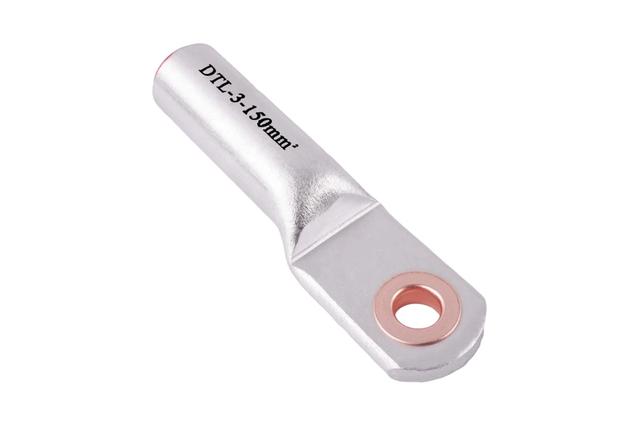
Picking the right size cable lug is very important. It matters as much as picking the right material. The cable and stud sizes must match. This keeps your electrical system safe and working well. If you pick the wrong size, you can have loose wires. You might also get too much heat or even a fire.
The cable lug must fit your cable’s size. Every cable has its own thickness. The lug should match this thickness for a tight fit. If the lug is too big or too small, it will not hold well. This can make you lose power or break your equipment.
Here is a table that shows some common lugs and where they are used:
Type of Lug | Common Applications | Purpose of Use |
|---|---|---|
Ring Type Lug | MCB, MCCB, RCCB, ACB, OCB, LV and 11kV distribution system panels | Provides strong connection and prevents loose connections |
Pin Type Lug | Terminal Blocks (TB), relays, timers, contactors, MCB sides | Ensures secure connections in various electrical components |
U Type Lug | Used in relays, timers, contactors | Fixes wires properly without loose connections |
Boot Lace Type | Control and instrument cables | Facilitates easy installation and maintenance |
You should always check the cable’s thickness before picking a lug. Thick power cables need bigger lugs. Small wires need smaller lugs. Using the right size and type keeps your system strong.
The stud is the bolt or screw that holds the lug. The hole in the lug must fit the stud size. If the hole is too big, the lug can move and get loose. If the hole is too small, the lug will not fit.
You can find the right stud size in the manual or on the panel. Always measure both the cable and the stud before buying a lug. This helps you avoid mistakes and keeps things safe.
If you pick the wrong size, you can have big problems. Here are some things that can go wrong if the cable and stud do not match:
Bad electrical flow can make voltage drop and waste power.
Loose or wrong connections can get hot and melt the wires. This can hurt the wire cover and the terminals.
Too much heat can cause shorts or even fires.
Parts can break if things shake or move, making the system weak.
Tip: Always check the cable and stud sizes twice before you put in a cable lug. This easy step can stop many problems and keep your system safe.
You need to know how much power your battery uses. Each terminal can only handle a certain amount of current. If you pick a terminal that is too small, it can get hot and stop working. Different jobs need different amounts of load and current. The table below shows what each industry needs:
Industrial Sector | Key Requirements | Standards |
|---|---|---|
Construction | Material compatibility, application requirements, space constraints | DIN, IEC, UL |
Automotive | Voltage levels, current capacities, environmental conditions | IEC, UL |
Marine | Corrosion resistance, temperature tolerance | IEC, UL |
Always check how much load your battery and terminals can handle. This helps you avoid problems with your battery connection.
Every terminal and cable lug has a current rating. This rating tells you the most current it can carry safely. If you use more current than the rating, your battery and connection can get damaged. Too much current can make things overheat. Overheating can break your equipment. You need to know these ratings and follow them to stay safe.
Tip: Match the current rating of your terminal to your battery’s needs. Doing this keeps your battery safe and your connection strong.
Never use a terminal at its highest rating. Experts say you should add a safety margin of 20% to 30% when you pick a cable lug. This extra space helps your system handle more load, like when machines start or when the weather changes. Using a safety margin stops overheating, contact problems, and electrical dangers.
The best safety margin for cable lugs is 20% to 30%.
This margin helps with things like startup surges and temperature changes.
A safety margin keeps your battery and connection safe from too much load.
Picking the right battery terminal and lug keeps your battery, equipment, and team safe. Always follow these steps for every battery terminal and connection.
Think about where you will use the terminal or cable lug. The place can change how well your battery works. Hot, cold, wet, or chemical-filled places can hurt the parts. If you use your battery outside or in a factory, check for these risks.
Here is a table that shows what can happen to your battery connection:
Environmental Factor | Impact on Cable Lug Performance |
|---|---|
Temperature Extremes | Can make materials break down and lose power |
Moisture | Can cause rust and weak connections |
Chemical Exposure | Can damage materials and make them work worse |
Big temperature changes can crack plastics or make metals get bigger. Hot places can cause rust and make terminals harder to use. Cold places can make connections loose. If you use your battery in hot or cold spots, pick metals and insulators that can handle it.
Material Type | Impact of High Temperature | Impact of Low Temperature |
|---|---|---|
Insulating Plastics | Can break down and not protect well | Can get hard and crack |
Metal Connectors | Can rust and get harder to use | Can shrink and make connections weak |
High-Temperature Metals | Needed for hot places | Usually okay, but may not work as well |
High-Temperature Insulators | Needed for hot places | May not work well in very cold places |
You need the right tools to connect your battery safely. Use a crimping tool that fits your terminal size. Always check the tool before you start. A good crimp keeps wires tight and safe. You might need a torque wrench to tighten bolts. This tool helps you not make bolts too tight or too loose. Follow the steps from the maker for best results.
Tip: Use clean tools and wear gloves. This keeps dirt and oil away from your battery and connection.
Check your battery terminals and connections often. Clean them every few months, or more if your place is tough. Use a brush or cloth to clean off dirt and rust. Check if each terminal is tight with a torque wrench. Look for rust, cracks, or loose parts. Change any broken cable lug or terminal right away.
Clean your battery parts often, at least every few months, or more if your place is rough.
Check if connections are tight with a torque wrench as part of your regular checks.
Look at your battery parts often, especially if you use them a lot or in a factory.
If you do these things, your battery will last longer and your connection will stay strong.
You must make sure your battery system follows the newest rules in 2025. These rules help keep your battery safe and working well. When you pick a cable lug, look for ones that meet world safety and quality rules. These rules protect your battery from getting too hot or not working right.
Here is a table with important rules for picking battery terminals and lugs:
Compliance Standard | Description |
|---|---|
Stringent Electrical Safety Regulations | Global safety rules say you must use good connection parts. |
Mil-Spec A52425 | Makes sure battery parts last long and work well in tough places. |
You should also look for CE, IEC, and ISO marks. These marks show the terminal follows strict safety and performance rules. They help stop problems in places like hospitals or factories. When you see these marks, you know the product is safe and works well.
CE, IEC, and ISO marks help you pick the right cable lug.
These marks help stop problems and dangers in special places.
You want to trust the company that makes your battery terminals. A good company tests their products for strength, safety, and how long they last. Wenzhou Mingxu is special because they use strong tests and high rules for every terminal and connection.
Here is how top companies show their products are good:
Criteria Type | Specific Tests/Assessments |
|---|---|
Electrical Performance Testing | Resistance Testing, Current Carrying Capacity Testing, Dielectric Strength Testing |
Mechanical Performance Validation | Tensile Strength Testing, Fatigue Testing, Vibration Resistance Testing |
Environmental Durability Assessment | Corrosion Resistance Testing, Temperature Cycling, Humidity Testing |
When you pick a trusted brand, your battery and connection will last longer and work better.
You should always look for product marks before you buy a terminal. These marks show the product passed safety and quality checks. For example, the CCC mark is needed in China for battery products. The CE mark shows the product meets health and safety rules in Europe.
Certification | Description |
|---|---|
CCC | A needed mark in China that shows products, like wire cables, are safe and good quality. |
CE | A mark that shows products sold in Europe follow health, safety, and environmental rules. |
Tip: Always look for these marks on your battery terminal. Certified products help you avoid danger and keep your connection safe.
Starting your project means picking the right battery and lugs. You should follow steps one by one. Match the cable lug and terminal to your battery’s size. Make sure the terminal fits your battery’s current needs. Always look at where you will use the battery. Use good materials for every connection. Make a checklist before you choose lugs and connectors. This helps you not make mistakes. If your battery system is hard to set up, ask a trusted manufacturer or expert. They can help you pick the best terminal and connection.
Checking your battery often and taking care of it keeps it safe and strong.
Benefit of Consulting Experts | How It Helps Your Battery System |
|---|---|
Dedicated support | Makes sure your terminal works for you |
Quality assurance | Helps your connection stay strong |
