
Views: 0 Author: Site Editor Publish Time: 2026-10-29 Origin: Site


Aluminum cables now dominate large-scale power distribution networks across the globe. They offer significant weight reductions and highly favorable pricing compared to traditional copper alternatives. However, terminating these aluminum conductors directly to standard copper busbars or equipment clamps creates a critical system vulnerability. Joining dissimilar metals triggers severe chemical and mechanical degradation at the connection point over time. This fundamental material mismatch inevitably leads to elevated joint resistance, localized thermal runaway, and catastrophic system downtime if ignored.
You must recognize exactly when project specifications demand specialized transition connectors to prevent these dangerous failures. In this guide, we will explore the precise physical mechanisms driving these strict requirements. You will also learn how to properly evaluate, specify, and install a Bimetal Terminal for optimal safety, ensuring long-term grid stability and strict regulatory compliance.
Bimetal terminals are non-negotiable for joining aluminum conductors to copper equipment, preventing galvanic corrosion and thermal loosening.
The effectiveness of the terminal relies on the quality of the friction-welded joint between the aluminum barrel and copper palm.
Proper specification requires matching the terminal series (e.g., DTL-1, DTL-2) to the exact cable cross-section and equipment interface.
Implementation success depends strictly on utilizing the correct crimping tools, dies, and jointing compounds to prevent oxidation during installation.
When engineers design modern power systems, they often pair aluminum cables alongside legacy copper infrastructure. This combination creates severe mechanical and chemical challenges. Standard copper connectors cannot handle the distinct physical properties of aluminum conductors. We see four main failure points when you ignore these metallurgical differences.
Moisture acts as an invisible threat in electrical installations. When condensation or humidity bridges exposed aluminum and copper, an electrolytic cell forms immediately. Aluminum acts as the anode in this unintended battery. Copper functions as the cathode. Because of this relationship, the aluminum sacrifices itself and corrodes rapidly. The joint degrades from the outside in. You lose conductive cross-sectional area quickly. This degradation spikes the electrical resistance across the joint.
Every metal expands under thermal load. Aluminum expands roughly 30% more than copper when subjected to the same temperature increase. Daily load cycles heat the connection repeatedly. A standard copper lug restricts the expanding aluminum strands. The aluminum yields and deforms under this compressive stress. Once the electrical load drops, the system cools. The copper lug shrinks back to its original size. However, the deformed aluminum strands do not recover their original shape. This phenomenon causes creep. You are left behind looking at a loose connection. Loose connections create micro-arcing and massive heat generation.
Bare aluminum reacts aggressively to ambient oxygen. A highly resistive aluminum oxide layer forms over bare strands within seconds of stripping the insulation. Copper lugs lack the mechanical properties to penetrate this tough barrier. Standard crimping methods cannot bypass this oxidation layer long-term. Electrons struggle to pass through the joint. This localized resistance turns the connection point into a hazardous heating element.
Physical joint failures carry heavy operational consequences. Thermal runaway at a connection point destroys surrounding equipment insulation. You face immediate arc flash risks. Unplanned maintenance demands emergency responses and disruptive downtime. Electrical fires caused by loose aluminum connections often violate commercial fire safety standards. You expose the facility to severe liability if you bypass proper termination engineering.
Specialized transition connectors solve the metallurgical clash directly. They eliminate the environmental factors driving corrosion. Let us examine how these components function at a structural level.
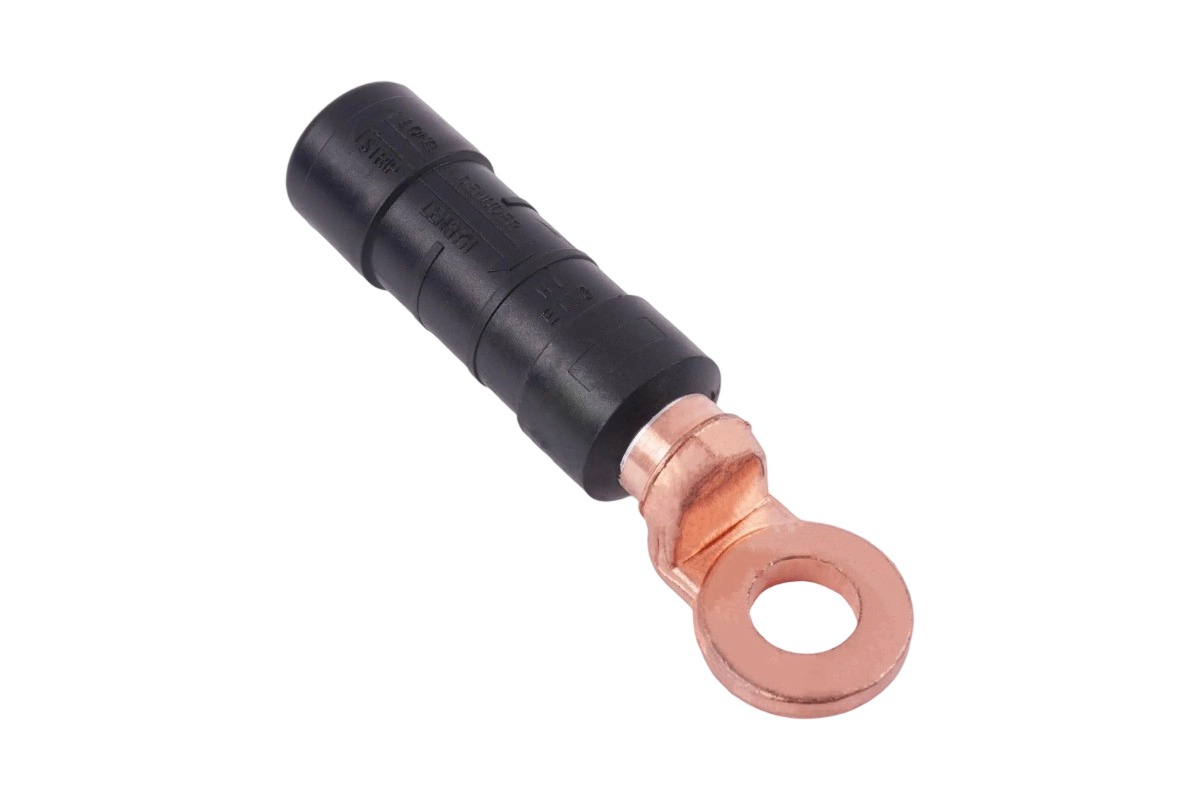
Manufacturers do not just bolt copper and aluminum together. They utilize advanced friction welding technology. High-speed rotation generates extreme heat between a solid copper palm and an aluminum barrel. Massive axial pressure forces the two melting metals together. This process creates a flawless, seamless transition zone. You get a solid molecular bond. No air gaps exist between the two distinct metals. The electrical current flows across this fused boundary without encountering sudden resistance spikes.
A bimetallic connector inherently separates the dissimilar metals at the critical installation point. You connect the aluminum cable strictly into the aluminum barrel. You bolt the copper palm strictly to the copper busbar. The galvanic reaction loses its fuel. The actual Al-to-Cu transition happens internally within the factory-welded joint. Manufacturers shield this internal weld from environmental moisture completely. You effectively isolate the vulnerable anodic and cathodic materials from any external electrolyte.
High-quality connectors feature solid, capped aluminum barrels. Open-ended barrels invite disaster by allowing moisture ingress. Capped designs block environmental water entirely. Furthermore, these closed barrels come pre-filled with specialized contact grease. This grease serves a dual purpose. It prevents moisture from entering the crimp zone. It also contains abrasive particles. These particles strip away the stubborn aluminum oxide layer during the hydraulic crimping process. You achieve a clean, gas-tight electrical bond.
Project specifications dictate distinct termination strategies based on voltage and application. You must mandate friction-welded connectors across several critical installation environments.
Medium and low-voltage distribution networks rely heavily on massive aluminum feeders. Grid operators constantly connect these feeders to copper-based distribution transformers. Switchgear assemblies and main circuit breakers also utilize standard copper landing pads. These transition components guarantee stable contact resistance across these crucial grid junctions. They prevent cascading localized failures during peak summer load events.
Solar farms and wind turbine arrays demand long DC cable runs. Aluminum remains the preferred choice here due to tremendous material weight savings over long distances. However, string inverters and main combiners typically feature solid copper input terminals. You must bridge this gap safely. These outdoor installations face extreme temperature fluctuations. Transition lugs handle the daily thermal cycling without loosening.
Facility managers frequently upgrade aging industrial infrastructure. New heavy-duty equipment often requires pulling new aluminum cabling. Yet, the building usually retains its legacy copper grounding systems and older motor terminal boxes. You cannot rip out the existing copper busbars easily. Transition lugs allow you to interface new aluminum conductors with old copper systems seamlessly.
Contractors often propose value-engineering changes. They switch planned copper wiring to aluminum equivalents to reduce initial installation expenses. This transition requires a strictly engineered termination strategy. You cannot just swap the wire and keep the original copper lugs. Doing so voids equipment warranties and violates safety ratings. Mandating the correct engineered lug secures the project goals while maintaining rigorous compliance.
Not all transition connectors offer the same performance. You must evaluate the underlying materials and specific dimensions before approving a submittal.
Impurities degrade electrical conductivity rapidly. Specify a strict baseline requirement for the base metals. The copper palm must consist of 99.9% electrolytic copper. The barrel must utilize high-purity aluminum, typically graded at L3 or higher. High-purity metals ensure maximum current transfer. They also provide predictable malleability during the crimping phase.
Engineers globally reference the DTL series when specifying these components. You must match the specific DTL variant to your mechanical stress requirements. The structural differences dictate where you can safely install each type.
Technical Comparison of DTL Series Configurations
Terminal Series | Design Characteristics | Primary Application | Mechanical Stress Tolerance |
|---|---|---|---|
DTL-1 | Standard copper palm, circular aluminum barrel | General indoor switchgear, stable environment | Moderate |
DTL-2 | Thicker copper palm, elongated aluminum barrel | Heavy industrial, outdoor transformers | High |
Cable sizing varies slightly between manufacturers. You must ensure the inner diameter of the aluminum barrel precisely matches your exact aluminum conductor size. Oversized barrels are a common mistake. They lead to inadequate crimp compression. The dies will close fully, but the barrel will not grip the strands tightly. Under-sized barrels force installers to trim outer cable strands. Trimming strands instantly reduces the ampacity of the connection.
Never accept unverified hardware. Verify independent testing against stringent international standards. IEC 61238-1 dictates rigorous thermal cycling and mechanical pull-out strength protocols. Components passing this standard survive hundreds of extreme heating and cooling cycles without significant resistance increases. Request the actual test certificates from the supplier before proceeding.
Even the finest engineered Bimetal Terminal fails if installed incorrectly. Quality control during the final termination phase determines long-term success.
You must mandate the use of dedicated hydraulic crimping tools. Hand-crimping heavy-gauge aluminum is completely unacceptable. Installers must use specific hexagonal dies calibrated explicitly for aluminum connectors.
Best Practice: Always match the die index to the manufacturer's specification chart.
Common Mistake: Using standard copper dies on an aluminum barrel. Over-crimping damages the soft strands. Under-crimping leaves dangerous air gaps.
Oxidation happens rapidly upon exposure to air. Outline strict surface preparation rules for your electrical installation teams.
Strip the cable insulation carefully without nicking the outer aluminum strands.
Vigorously wire-brush the exposed aluminum conductor immediately before insertion.
Remove all visible gray oxide until the underlying metal shines brightly.
Insert the conductor into the barrel within sixty seconds to prevent oxide reformation.
Contact grease remains vital for aluminum connections. Confirm your chosen component comes pre-filled with oxide-inhibiting compound. Manufacturers usually seal these pre-filled barrels with a protective plastic cap. If you utilize un-filled barrels, specify a mandatory manual application protocol. Installers must coat the freshly brushed strands heavily with approved jointing paste before insertion. The paste fills the microscopic voids and excludes oxygen permanently.
Implement mandatory post-installation visual checks. Quality inspectors should look for proper crimp deformation. The hexagonal shape must appear uniform and fully compressed. Inspect the transition zone closely. Look for the complete absence of stress fractures near the friction-welded joint. A proper crimp pushes the barrel material cleanly without cracking the critical weld line.
Risking standard lugs on Al-Cu connections represents a dangerous false economy. The initial perceived savings disappear quickly when a critical joint overheats and fails. Relying on improper connectors threatens facility safety and guarantees future operational headaches. Specifying a verified friction-welded connector ensures long-term asset protection. You gain absolute thermal stability, maintain strict code compliance, and lock in a stable contact resistance for decades.
Next Step: We strongly recommend auditing your current Bill of Materials for any upcoming aluminum cabling projects. Verify exact terminal-to-cable matching immediately. Update your internal specification sheets to ban standard copper lugs on all aluminum runs to ensure system reliability.
A: No. Paste only slows oxidation; it does not solve the thermal expansion mismatch. Aluminum expands and contracts differently than copper. This mismatch inevitably stretches the aluminum, leading to an eventual loose joint and dangerous thermal runaway.
A: Terminals and lugs feature flat palms. Installers use them for bolting directly to flat copper busbars. Conversely, pin connectors feature a solid cylindrical rod. Installers use pin connectors for insertion into tunnel-type equipment clamps, such as circuit breakers.
A: Look closely at the transition zone. You should see a clean, continuous transition line without pitting, cracks, or gaps. Furthermore, always request independent manufacturer test reports verifying strict IEC 61238-1 compliance.
A: Yes, mechanical stress should not be applied directly across the welded joint. You must secure and support the heavy cables properly. Proper support minimizes pulling tension and bending stress on the physical termination point.
