
Views: 0 Author: Site Editor Publish Time: 2026-04-06 Origin: Site


Selecting the right Connecting Pipe for your electrical or industrial project is crucial to ensure long-term safety, reliability, and performance. Connecting Pipes are vital components used in electrical systems to securely connect cables to other electrical components, such as busbars or terminal blocks. This guide will walk you through the process of selecting the correct Connecting Pipe based on several important factors.
Connecting Pipes play a pivotal role in electrical systems, where they act as the link between cables and other components. The proper selection of Connecting Pipes ensures low electrical resistance, minimal heat generation, and long-lasting reliability in critical infrastructure. Poor-quality connections can lead to power losses, overheating, and even fire hazards.
Choosing the correct Connecting Pipe involves several considerations such as material type, size, electrical properties, environmental resistance, and certifications. This article will help you navigate through the different options and factors to make an informed choice for your project.
A Connecting Pipe is a cylindrical, hollow connector used to join electrical cables to other components. It is typically crimped or bolted to ensure a secure, low-resistance electrical connection. Connecting Pipes are often used in applications that require a stable and durable electrical path.
Copper Connecting Pipes: Highly conductive and corrosion-resistant, making them ideal for high-performance electrical systems.
Aluminum Connecting Pipes: A cost-effective alternative, though less conductive than copper, often used in applications with less stringent electrical requirements.
Tinned Copper Connecting Pipes: Copper pipes with a tin coating that provide added protection against corrosion, particularly useful in marine environments.
The material of the Connecting Pipe impacts its conductivity, mechanical strength, and resistance to corrosion. The three main material options are:
Material | Advantages | Disadvantages |
Copper | Excellent conductivity, corrosion-resistant | Higher cost |
Aluminum | Lightweight, cost-effective | Lower conductivity, prone to oxidation |
Tinned Copper | Resistant to corrosion, ideal for marine use | Slightly higher cost than aluminum |
Selecting the right size is critical to ensure a secure and reliable connection. The Connecting Pipe must match the diameter of the cables to be connected, which can vary based on your project's requirements. When selecting the size, ensure the pipe fits the cable’s outer diameter snugly, without any gaps, to maintain an optimal electrical connection.
Conductivity: Higher conductivity ensures less energy loss and better performance, especially in high-current systems.
Resistance: Low resistance is essential to minimize heat generation and maintain safe operation.
Tensile Strength: The mechanical strength of the pipe ensures it can withstand physical stresses and pressures, such as tension or compression.
Consider the environmental factors in which the Connecting Pipe will operate. For instance, outdoor installations, marine environments, or areas with high humidity require pipes with excellent resistance to corrosion, oxidation, and extreme temperatures.
Ensure the Connecting Pipe meets international standards, such as:
CE Certification for compliance with European safety regulations.
ISO Certification for quality management and production standards.
IEC Certification for electrical safety and performance standards.
For power distribution systems, where high currents and voltages are involved, copper is the material of choice due to its high conductivity. The size of the Connecting Pipe should be selected based on the current rating and the cable's diameter.
In renewable energy projects, such as solar and wind energy installations, environmental factors such as exposure to UV rays and moisture are critical. Tinned copper Connecting Pipes are ideal for these applications due to their superior corrosion resistance.
In industrial settings, aluminum Connecting Pipes are commonly used due to their cost-effectiveness. However, for high-load applications where the pipe will endure mechanical stress, copper is often preferred.
For marine environments, tinned copper is recommended because it offers superior resistance to corrosion caused by saltwater and humidity. The Connecting Pipe should be rated for use in harsh conditions to ensure longevity.
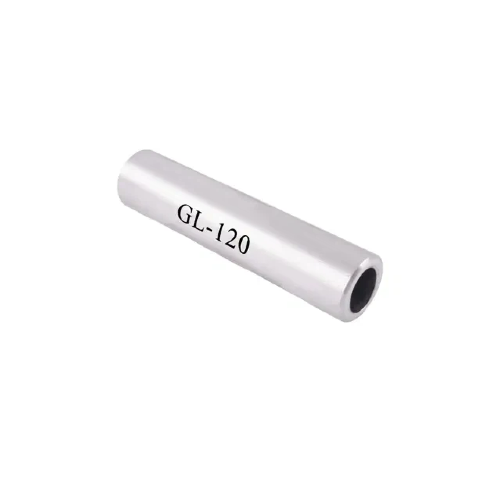
The production of Connecting Pipes involves several steps, including material selection, extrusion, shaping, and coating (if necessary). After the manufacturing process, pipes undergo stringent quality control tests, including electrical resistance testing, mechanical strength testing, and corrosion resistance tests.
Many manufacturers, including Mingxu, offer OEM/ODM services, allowing customers to customize Connecting Pipes to their specific requirements. This includes adjustments in material, size, and branding.
To ensure high-quality products, manufacturers perform a series of quality checks at every stage of production. This includes compliance with international standards (CE, ISO, IEC) and rigorous testing for electrical and mechanical properties.
Proper installation of Connecting Pipes is essential to ensure a low-resistance and secure connection. Here are some tips:
Ensure that the cable is properly stripped before insertion into the pipe.
Use the correct crimping tools to ensure a tight fit.
Avoid over-tightening to prevent damaging the pipe or cable.
Routine inspection is important to ensure the longevity and safety of Connecting Pipes. Look for signs of corrosion, wear, or loose connections. Regularly clean and inspect for any damage to ensure the system continues to function optimally.
Selecting the right Connecting Pipe is essential for ensuring reliable and safe electrical connections. Key factors to consider include material type, size, environmental resistance, and electrical properties. By understanding the specific requirements of your project, you can make an informed choice that guarantees optimal performance and durability. Whether you’re working in power distribution, renewable energy, or industrial applications, selecting the correct Connecting Pipe will directly impact the efficiency and safety of your electrical system.
At Wenzhou Mingxu International Trade Co., Ltd., we specialize in high-quality Connecting Pipes tailored to meet the unique needs of various industries. Our products are manufactured to international standards, ensuring superior conductivity, mechanical strength, and environmental resistance. With a focus on customer satisfaction, we offer customized solutions through our OEM/ODM services.
If you’re looking for the right Connecting Pipe for your next project, we invite you to contact us to learn more about our products and how we can support your needs. Our expert team is ready to assist you in choosing the best solution for your project’s success.
Q1: What materials are commonly used for Connecting Pipes?
A1: The most common materials for Connecting Pipes are copper, aluminum, and tinned copper. Copper is ideal for high conductivity, aluminum is cost-effective, and tinned copper provides additional protection against corrosion.
Q2: How do I determine the right size of a Connecting Pipe for my cables?
A2: The size of the Connecting Pipe should match the cable’s outer diameter. It's important to choose the right size to ensure a snug fit and optimal conductivity.
Q3: What certifications should I look for when choosing a Connecting Pipe?
A3: Look for Connecting Pipes that are certified by international standards such as CE, IEC, and ISO. These certifications ensure the product meets safety, performance, and quality standards.
Q4: Can Connecting Pipes be used in marine applications?
A4: Yes, Connecting Pipes can be used in marine environments. Tinned copper Connecting Pipes are recommended due to their superior resistance to saltwater corrosion.
Q5: How do I maintain and inspect Connecting Pipes after installation?
A5: Regularly inspect for signs of corrosion or wear. Ensure that connections are secure, and if necessary, clean the pipes and replace them to maintain optimal performance.
