
Views: 0 Author: Site Editor Publish Time: 2025-10-21 Origin: Site


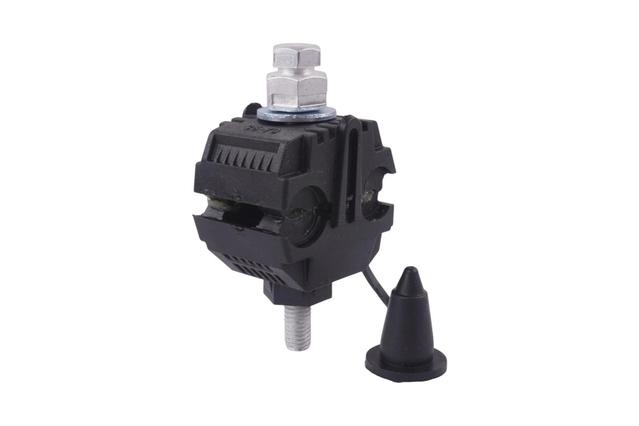
When you pick aerial cable accessories for power lines, you make a choice that affects safety and how well things work. Weather can be tough on these parts.
Hot weather can lower how much weight your system can hold.
If you do not make changes, higher loads can make parts break sooner.
Dry weather can make cables lose heat slower, which can cause them to fail.
Mingxu makes products to help you handle these problems with confidence.
Pick aerial cable accessories made from strong materials like aluminum alloys and stainless steel. These materials last a long time and do not rust easily.
Always look for engineering standards and certifications when you choose accessories. This makes sure they are safe and good quality. It also lowers the chance of something breaking.
Check your aerial cable accessories often for any damage or wear. Finding problems early can stop expensive repairs. It also helps your system work well.
Use weather-resistant accessories to protect them from bad weather. This keeps your cables safe and helps them last longer.
Follow the right steps when you install accessories. Good installation stops stress on the accessories. It also helps them work better and last longer.
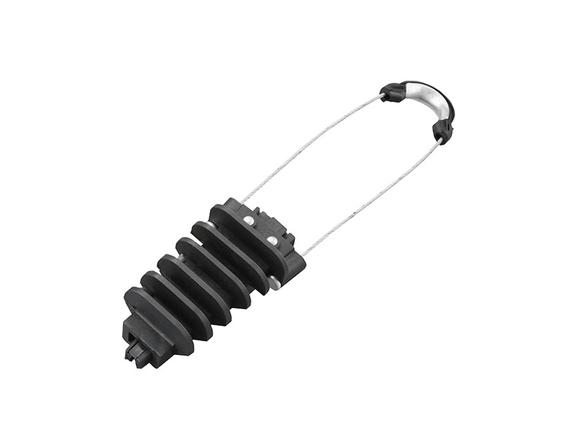
When you pick aerial cable accessories, check what they are made of. Good materials help your system last longer and work better. Many companies use strong aluminum alloys and steel that does not rust. These materials give strong support and help cables handle bad weather.
Here is a table that shows how different materials compare:
Material | Mechanical Properties | Applications |
|---|---|---|
Stainless Steel | High corrosion resistance, strength | Harsh environments, chemical exposure |
Galvanized Carbon Steel | Lower cost, good strength, less corrosion resistance | Less severe conditions without chemical exposure |
Aluminum alloys are lighter than copper. This makes them easier to carry and put in place. Aluminum alloys are also strong and do not sag between poles. These materials do not rust, so they work well in wet places and keep electricity flowing.
Always check what materials are in your aerial cable accessories. Good materials mean they last longer and have fewer problems.
You want your aerial cable accessories to follow strict rules. Companies like Wenzhou Mingxu International Trade Co., Ltd. make products that can handle heavy weight and bad weather. They test their products and check the quality. This means you get products that last a long time and keep power lines safe.
Good engineering helps each part fit together well. You do not have to worry about weak spots or things breaking early. When you pick accessories that follow high standards, you protect your system and make sure it works when you need it.
Tip: Always look for products that show their engineering standards and certifications. This helps you feel safe and avoid expensive repairs.
Even the best aerial cable accessories can have weak spots if you do not pay attention. Some problems come from using bad materials or skipping quality checks. For example, cheap steel can rust fast. Bad clamps might not hold cables tight.
You should check your accessories before and after you put them in. Look for rust, cracks, or loose parts. If you find a problem early, you can fix it before it gets worse. Using good materials and following good engineering rules helps you avoid most weak spots.
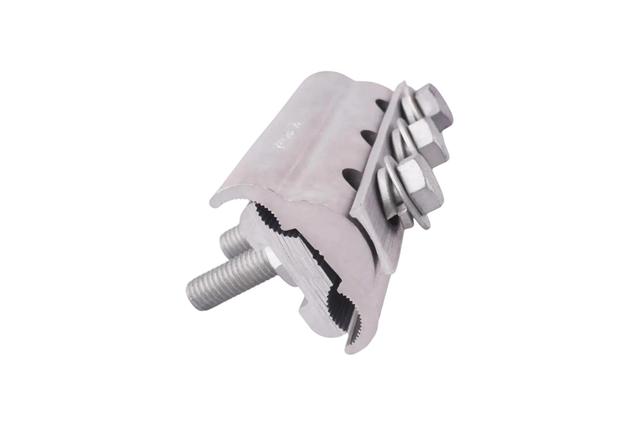
Aerial cable accessories must handle tough weather. Rain, snow, and humidity can make metal parts rust. If you pick products with strong corrosion resistance, your cables stay safe. Your system will last longer. Many accessories use special coatings or materials to stop rust. Suspension clamps, piercing clamps, and tension clamps often have these coatings.
Note: Corrosion-resistant coatings go through many tests. These tests check how strong the coatings are. Engineers use immersion testing, mass loss analysis, and mechanical property testing. They also use fast corrosion tests to see how coatings work in hot and wet places.
Test Type | Description |
|---|---|
Immersion Testing | Checks how steel wires react in salty water and drilling fluids. |
Mass Loss Analysis | Measures how much metal is lost over time in wet conditions. |
Mechanical Property Testing | Tests wire strength after aging. |
Accelerated Atmospheric Corrosion | Simulates damage in hot, humid air like cable storage areas. |
Aerial cable accessories need to be strong. They must hold up under pressure. Each part supports the weight of cables. They also handle wind and ice. Engineers test for tensile strength and bending resistance. These tests make sure parts do not break or bend during storms. They also check for heavy use.
A galvanized steel messenger wire gives extra support. This wire stops cables from sagging or getting damaged. Picking accessories with strong structural integrity makes your setup safer. It also makes it more reliable.
Always look for certifications when you buy aerial cable accessories. Certifications prove the products meet safety and quality rules. Some trusted certifications are ISO 9001, ISO 14001, and OHSAS 18001.
Certification | Description |
|---|---|
ISO 9001 | Sets rules for making sure products are always high quality. |
ISO 14001 | Focuses on protecting the environment during production. |
OHSAS 18001 | Makes sure workers stay safe and healthy. |
Other important certifications include:
TÜV: Checks product safety and global standards.
BV: Tests and inspects products in many industries.
SAA: Used in Australia and New Zealand for safety.
UL: Makes sure products are safe for use.
VDE: Sets standards for electrical safety.
Tip: Always pick the right accessory for your project. Suspension clamps hold cables in place. Piercing clamps connect cables without removing insulation. Tension clamps keep cables tight and secure.
Aerial cable accessories must stand up to bad weather. Strong winds, ice, and hot sun can hurt cables and their parts. Using weather-resistant materials helps keep your system safe. These materials protect against damage from storms and heat. The table below shows how weather can affect aerial cable accessories:
Environmental Factor | Impact on Aerial Cable Accessories |
|---|---|
Ice Accretion | Makes cables heavy and can break them or towers. |
Wind Forces | Can shake cables and cause power to go out. |
Ice Shedding | Drops ice off cables, which can break parts. |
Flashovers | Happen more when it is icy, hurting insulators. |
Companies make weather-resistant accessories to last through these problems. They use strong metals and special coatings. This keeps cables safe for many years.
Good installation helps aerial cables work well. Always follow the right steps to stop early problems. Here are some tips to help you:
Put vibration dampers where winds are strong to protect cables.
Lay cables on the ground first to avoid too much weight on clamps.
Make sure cables are straight and not twisted before hanging.
Lift cables slowly and keep tension even to stop damage.
Spread the cable’s weight so clamps do not break.
Keep tension within the maker’s limits.
Note: Bad installation can stress your accessories. This stress can make them break sooner. Always use the right ways and handle cables carefully.
Aerial cable accessories should work in many places. Adaptable designs help in cities, country areas, or tough weather. The table below lists features that make accessories more adaptable:
Feature | Description |
|---|---|
Material Choices | Uses strong steel or stainless steel to last outside. |
Structural Designs | Brackets and clamps made to handle pulling and stress. |
Specific Applications | Dead-end grips hold cables tight at anchor points. |
Environmental Resistance | Stainless-steel banding kits fight rust and sun damage. |
Installation Flexibility | Tool-free designs make setup easy anywhere. |
Choosing accessories with these features makes your system stronger. It also makes it easier to take care of. Weather-resistant products help you worry less, no matter where you put them.
Pick aerial cable accessories that fit your project. First, look at how you will install them. For point-to-point, put ADSS cables outside electric zones. Follow NESC rules for safety. For point-to-multipoint, use OSP cables with steel messengers. ADSS is good for high-voltage towers. It uses old paths and does not need bonding. Lashed OSP cable works well for point-to-multipoint setups.
Application Type | Criteria for Selection |
|---|---|
Point-to-Point | Put ADSS outside electric zones. Think about spans and NESC rules. |
Point-to-Multi-Point | Use OSP cables with steel messengers in the right space. |
ADSS | Best for high-voltage towers. No metal or bonding needed. Uses old paths. |
Lashed OSP Cable | Good for point-to-multipoint designs. |
Pick accessories made from strong materials like Temp-Flex FEP. These work well outside. Secure connections help with vibration and shock. Think about how easy it is to fix parts. Check how long parts last before breaking. Good choices keep your data safe and steady.
Tip: Picking the wrong product can cause overheating and fires. Bad sizing makes voltage drop and costs go up. Always match accessories to your data needs.
Take care of your aerial cable accessories often. Check them for damage or loose parts. Electrical tests help find insulation problems early. Cut branches so they do not hit cables. Clean parts to get rid of dirt and salt. Look at clamps and connectors for rust and tightness. Watch the load to keep it safe. Write down inspections and repairs. Doing these things helps your system last longer and keeps data moving.
Maintenance Routine | Purpose |
|---|---|
Regular inspections | Look for damage and check hardware. |
Electrical testing | Test insulation and find problems early. |
Vegetation management | Stop damage from falling branches. |
Regular cleaning | Remove dirt and salt. |
Hardware checks | Check clamps and connectors for rust. |
Load monitoring | Keep load safe. |
Documentation | Track cable health and plan fixes. |
Following guidelines | Help cables last longer. |
Safety is important when working with aerial cable accessories. Check your gear before you use it. If you use the lift a lot or after a break, check more often. Do a big inspection every thirteen months. Follow ANSI rules for this.
Inspection Type | Frequency/Conditions |
|---|---|
Pre-start inspections | Do this before every use. |
Frequent inspections | Do this after three months or after a break. |
Annual inspections | Do this every thirteen months. |
Look out for dangers like heights, electricity, and bad weather. Wear the right PPE and get training. Tie down tools so they do not fall. Work on flat ground to stop tip-overs. Checking often helps you find problems early. Protect your data by following safety steps.
Note: Safety checks and good habits keep you, your team, and your data safe.
You can make your aerial cable system safer by picking certified accessories. Good products help your system work better and last longer. They also save you money on repairs and keep signals clear over long distances.
Your system works better for a long time
It does not get mixed up by other signals
It can stretch across big spaces
Studies show that weather, space, and how much the cables hold matter a lot.
Factor | Description |
|---|---|
Weather conditions | Strong winds and very hot or cold days mean you must pick and install parts carefully. |
Clearance requirements | Following safety rules stops cables from touching other wires or things. |
Always use the right safety gear and follow good steps. Work with trusted brands like Wenzhou Mingxu International Trade Co., Ltd. to get good results.
